RSA Events – Event Report – ESPPRIT – Spaces of contestation: transgressing policies and practices of eco-social transformation

Event Report “ESPPRIT – Spaces of contestation: transgressing policies and practices of eco-social transformation” workshop RSA Research Network
RSA’s Research Network on Eco-Social Policy and PRactice for Innovation and Transformation (ESPPRIT)

18th-19th September 2025, Vienna
Organised by Dr Lucas Barning (University of Vienna), Sarah Ware (Central European University, Vienna), Dr Astrid Krisch (University of Oxford)
By Lucas Barning (correspondence email), Postdoctoral Researcher, University of Vienna; Astrid Krisch, Postdoctoral Research Fellow, Global Centre on Healthcare and Urbanisation, University of Oxford; and Sarah Ware, Research Fellow, Central European University Vienna.
1. Introduction
The third workshop of the RSA Research Network on Eco-Social Policy and Practice for Innovation and Transformation (ESPPRIT) took place in Vienna from 18–19 September 2025. It brought together researchers and practitioners from across Europe and beyond to reflect on the multifaceted forms and meanings of contestation in social-ecological transformation. Starting from the shared understanding that sustainability transitions, as part of a larger transformation, are inherently contested, conflictual, and often ambiguous (Sovacool 2017), the workshop approached contestation as the active questioning or challenging of prevailing transition trajectories. This broad view encompassed a wide spectrum of processes, ranging from local resistance to renewable energy projects to organised public or political backlash against environmental and social policies. At the same time, the discussions acknowledged the current political climate as a crucial backdrop: the rise of right-wing populism, authoritarian tendencies, and increasing polarisation (Patterson 2023; Pel 2021; Adam & Ftergioti 2025) are shaping how contestation unfolds in the field of transformative politics and practice.
To unpack these dynamics, the workshop pursued three overarching aims:
- To explore the local socio-spatial drivers and dynamics of contestation;
- To reflect on how democratically legitimised transition pathways can be protected and stabilised amidst contestation; and
- To discuss governance and planning approaches that can constructively engage with contestation.
Hosted by the Institute of Spatial Planning at the Technical University of Vienna (TU Wien), the 2-day workshop combined interactive sessions with sixteen participants and two keynote lectures that offered insights into contested urban transformations and conceptual tools for understanding this process.
The programme combined several interactive formats. The first day included a lightning round where participants presented their individual research interests, leading into topic development sessions that clustered these interests into four thematic perspectives, allowing participants to delve deeper into their own and others’ research. The first day concluded with two keynote lectures that provided theoretical and empirical insights, weaving these strands together and relating them to broader debates on urban and regional transformation. The second day opened with a recap of the discussions from Day 1. It continued with an excursion to the Nordbahnhalle, a former self-organised community cultural space in Nordbahnviertel in the second district of Vienna, which explored localised contestation in transformative neighbourhood planning. The workshop concluded with a lively fishbowl discussion that synthesised the key insights and tensions emerging from the two days. The full programme can be found here.
Overall, the workshop expanded the participants’ shared understanding of contestation as a constitutive dynamic of transformation, which we developed into a set of four larger perspectives. At the heart of the ESPPRIT network’s aim were bridged debates between eco-social policy and practice, which provided a working concept for our future debates.
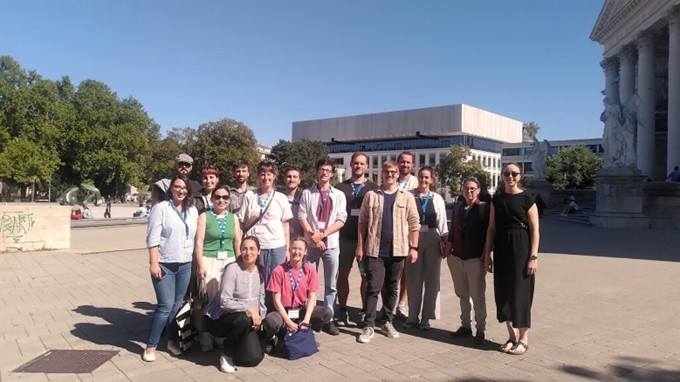
Figure 1: ESPPRIT Vienna Workshop participants
2. Understanding Contestation in Regional Studies
Across the presentations, contestation emerged as more than political resistance. Participants approached the theme from diverse academic backgrounds, including human geography, spatial planning, ecological economics, innovation and transition studies, and regional policy, viewing contestation as a diagnostic lens to reveal power asymmetries and competing temporalities of change.
Several contributions examined contestation from a policy and governance perspective, focusing on how eco-social transitions unfold within specific political and institutional contexts. Reflections on Albania and the Western Balkans, for instance, highlighted the tensions between externally steered transition agendas and local realities, where “transition fatigue” and structural inequalities challenge the legitimacy of green policy reforms. This resonates with discussions in regional studies on “regional embitterment” (Hannemann et al. 2024), highlighting the importance of entrenched emotions in transformation processes. Analyses of eco-social policy developments in Israel and China illustrated how democratic fragility or centralised statecraft shape the scope for environmental governance. Further discussions traced how global policy ideas such as the 15-minute city in Oxford become politicised when transferred across contexts, and how efforts to green social housing in Vienna expose conflicts between ecological ambition and affordability. Across these examples, contestation emerged as a constitutive feature of transformation, emphasising that transitions are not linear policy processes but deeply political negotiations over direction, inclusion, and justice.
Other contributions engaged with contestation through grounded practices of transformation and everyday participation. Studies from Munich, for instance, explored city walks as participatory tools to engage citizens emotionally and politically in climate transitions, while research from rural Germany examined grassroots innovation initiatives and their struggles to build alliances across local and regional communities. Activist experiences from Polish cities illustrated how civic movements for clean air and green spaces reshape urban policy, while informal gatherings in rural Germany (like the “Kaffeekränzchen”) were presented as a methodology and space for dialogue and empowerment. These cases showed how contestation practiced in lived spaces and embedded in social relations offers both challenges and opportunities for more inclusive and reflexive forms of transformation.
Together, these examples demonstrated the close interrelation between policy and practice, reinforcing the need to transgress disciplinary and institutional boundaries in search of new perspectives on how transformation processes are negotiated, challenged, stabilised, and legitimised.
2.1. Keynotes: Learnings from Cultural Transformation and Planning Research
Monika de Frantz: Capital City Cultures: Sustainability Transformation as Contested Urban Cohesion
The first keynote lecture explored the politics of contestation surrounding the redevelopment of Vienna’s MuseumsQuartier (MQ), a major cultural project that sparked intense debate throughout the 1990s and 2000s. The site, located in the former imperial stables, had long lost its original purpose and been repurposed for a variety of uses. By the early 1990s, it had evolved into a self-governed space for independent artistic and cultural production, serving as a vibrant hub for experimentation and alternative cultural practices. This character came under pressure when plans emerged to transform the area into Vienna’s central museum complex. The proposal triggered strong public and political controversy, centred on two intertwined questions: first, how the city should represent itself architecturally and symbolically, and second, what social and cultural role the site should play within Vienna’s broader urban fabric.
The keynote explored these tensions within a broader discussion of sustainability, globalisation, and urban governance. It showed how competing paradigms such as competition and sustainability, regeneration and transformation, or top-down development and bottom-up contestation shaped the project’s trajectory. The MuseumsQuartier was presented as a microcosm of broader struggles over urban futures, reflecting the tension between place marketing and the right to the city, and between eco-social diversity and the commodification of cultural space. The analysis demonstrated that urban transformation is shaped as much by symbolic politics as by material interventions. The analytical perspective developed in this keynote offered valuable insights for contemporary debates on eco-social transformation, showing how contestation in this sense is not a disruption but a mechanism through which urban societies negotiate collective futures.
Johannes Suitner: Contesting Local Frames and Futures
The second keynote addressed contestation from a conceptual and planning perspective, proposing a framework to understand interrelated systems of meaning-making that combine spatial and temporal dimensions. Johannes Suitner outlined three complementary analytical perspectives that together form a complex lens for examining how contestation emerges, evolves, and can be constructively engaged with in planning processes.
First, he introduced the notion of temporal ecologies, which help to reveal how imagined pasts and envisioned futures intersect in transformation strategies. This perspective draws attention to the ways planning practices reproduce or challenge dominant narratives, as well as how representations of continuity and change shape the politics of transformation. Second, he elaborated on the strategic planning nexus, which exposes the tensions between growth-oriented and transformative logics in urban and regional development. By examining how strategic frameworks manage or amplify these conflicts, this perspective highlights the political nature of planning as a field of negotiation rather than neutral coordination. Third, the keynote emphasised the importance of making explicit the underlying theories of change that guide transformation processes. These theories often rest on implicit assumptions about how systems are composed, how innovation and market dynamics interact, and how society-nature relations are conceptualised and operationalised in policy and planning.
Together, both keynotes provided conceptual inspiration, linking empirical urban struggles and contestations to broader debates on eco-social transformation and its planning and governance frameworks.
2.2. A Draft Concept for Contestation Research
Using an interactive format, we identified four thematic foci that captured shared concerns and perspectives emerging across the diverse contributions. While these areas naturally overlap and intertwine, they serve as thematic lenses to advance the theoretical grounding of contestation. Over the course of the workshop, these themes were continuously refined, complemented, and connected.
The geography and embedding of contestation: The first thematic focus addresses the spatial embedding of transformation processes and the value systems that underpin them. This centres on questions of distributive justice and the uneven benefits and burdens of local transitions, asking who gains and who loses from transition initiatives, which strongly relates to the concept of left-behind places (e.g. MacKinnon et al. 2024). This focus can also be directed at the temporal dimension of spatial change, asking whether transformation necessarily entails the destruction of the old, and how to identify certain spatial and social elements (e.g. places of manufacturing and related social infrastructures) that need to be preserved. Likewise, the focus on spatial embedding is also relevant to understanding tensions between expert-driven and local, experiential knowledges, where contestation can help expose these epistemic conflicts in practice. The emphasis on contextual specificity and local embeddedness, however, always risks obscuring broader policy aims and structural drivers that transcend the local scale in terms of contestation, which requires a reflexive adoption of this perspective.
Methodologies for understanding and analysing contestation: The second focus relates to methodological approaches for researching contestation and emphasises the need to clarify who is (and should be) involved in generating knowledge and practice. Rather than relying on superficial participation formats, this perspective highlights approaches that meaningfully integrate local perspectives and needs. It also draws attention to the importance of incorporating perspectives from the Global South, particularly where local transformation efforts in one context such as renewable energy development create contestation or extractive pressures elsewhere. This perspective can benefit particularly from discussions of feminist, intersectional and anti-racist approaches in regional studies (e.g. Ormerod 2025), stressing the value of methodologies that avoid casting contestation in binary terms and instead capture its complexity. Possible methodological avenues include multi-criteria mapping and counter-mapping to visualise diverse standpoints, as well as longitudinal research designs capable of tracing contestations over extended periods of time. A further concern relates to how such comprehensive research can be sustained beyond the short cycles of project funding and publication pressures.
Scalar dimensions of contestation: A third perspective relates to the scalar dynamics of contestation and highlights how conflicts unfold and shift across different governance levels, from local initiatives to national and transnational policy arenas. A central concern in this perspective is the role of translation between scales, particularly in building trust and coherence among institutions operating at different levels. This includes recognising that trust and solidarity across scales are equally vital for social movements seeking to contest dominant eco-modernist transition pathways. Questions of recognitional justice are key here, raising the issue of whose realities, values, and claims are acknowledged and whose are marginalised. This thematic strand points to the need for frameworks capable of mediating between universal and local values, ensuring that multi-scalar governance enables rather than dilutes progressive forms of contestation and agency.
Strategies to stabilise transformation pathways: The fourth thematic focus relates to the stabilisation of democratically legitimised transformation pathways and foregrounds the question of how such pathways can be safeguarded in the face of contestation. This perspective needs to engage with the inherent paradox that determining which processes should be stabilised is itself a political and contested act. It primarily underscores the growing urgency of defending democratically endorsed transformation efforts against authoritarian backlash. To do so, social theory and theory of change, such as neo-institutionalism, the Territory Place Scale Network framework or actor-network theory, may prove useful for understanding dynamics of stability and change. Relevant strategies that put this perspective into action include participatory planning, communal or social ownership models and climate legislation, all of which can enhance resilience to contestation. From the regional studies literature, further insights may be drawn from existing discussions on regional resilience to external shocks such as the covid-19 pandemic (e.g. Jakobsen et al. 2025). At the same time, examining practices of destabilisation, for instance through regional forms of counter-institutionalisation (e.g. Gulbrandsen 2025), offers important insights into how stability and instability of institutions intersect with processes of contestation. This thematic perspective also raises questions about balancing stability and adaptability, suggesting that notions of flexibility and resilience can help distinguish which aspects of transformation should be secured and which should remain open to change.
3. Contestation Through the Lens of Nordbahnhalle
The second day of the workshop began with an excursion led by Sarah Ware to the site of a recent and emblematic contestation in Vienna’s urban development landscape: the Nordbahnhalle at the former railway yard, now Nordbahnviertel. Situated in one of the city’s major infill redevelopment areas, the site offered a tangible and spatially immediate example of how conflicting visions of urban transformation materialise in practice.
Walking through the newly developed park and surrounding neighbourhood, participants explored the traces and narratives of the conflict that unfolded around the Nordbahnhalle. This case illustrated both the ambitions of the City of Vienna’s broader urban development strategy and the tensions arising from alternative, self-governed uses of urban space. During a period of temporary use, a diverse collective of artists, planners, university students, and community groups had transformed the former railway depot of the Nordbahnhalle into a large autonomously organised cultural event space and shared workspace, experimenting with non-profit, community-oriented urban practices and collective modes of self-organisation.
These experiments, however, came into conflict with the city’s long-term redevelopment agenda, shaped largely by goals to accommodate population growth and influenced by economic and real estate interests. The demolition of the hall was seen as necessary by the landowner and city to make way for new development opportunities but was a significant loss to the existing community who had established an important social and cultural hub from the ground up. By the time of the workshop visit, most physical traces of the Nordbahnhalle had been removed, yet its legacy remained present in the city’s urban politics and planning debates. The discussion on-site reflected how examples like this continue to inspire new imaginaries of urban transformation, challenging dominant, growth-oriented development logics and demonstrating how creative contestation can open space for more plural and democratic urban futures.
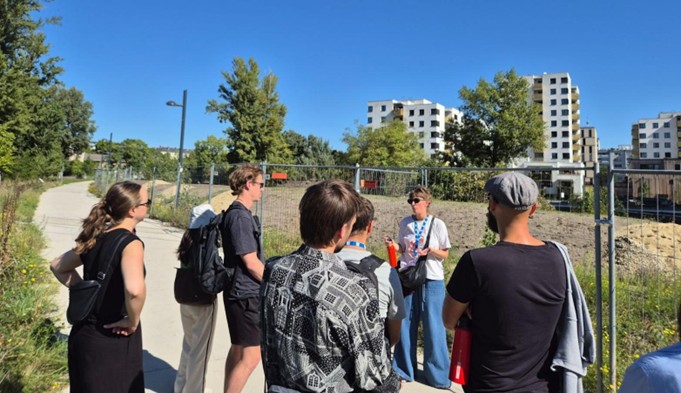
Figure 2: Urban excursion to the Nordbahnviertel/Nordbahnhalle
4. From the Fishbowl: The Dual Nature of Contestation
The workshop closed with a fishbowl discussion, a structured, participatory format, to examine the guiding question: How would you like to approach conflict and contestation in your research? Designed to balance speaking and listening, the format fostered inclusive exchange by rotating participants through an inner discussion circle while others listened and reflected. Facilitated with a light touch, the conversation stayed grounded in empirical cases from the workshop and site visit, emphasising exploration over resolution and concluding with collective reflection on how insights from the workshop could be translated into research practice. The debate quickly turned to controversial but highly productive questions, including how contestation should be valued and systematised in research, and how this relates to the equally pressing issue of researcher positionality.
The conversation began with a thread that had run throughout the workshop: the dual nature of contestation. On the one hand, contestations are crucial for identifying and voicing injustices in transformation processes; on the other, they can significantly disrupt emerging or ongoing change. This raised the question of whether research should strive to distinguish between different forms of contestation and develop ways to systematise them in terms of their social-ecological legitimacy. This proposition, however, was met with strong reservations. Some participants cautioned against overly mechanistic systematisations, which risk replicating narrow economic reasoning and overlooking the messy realities, heterogeneous knowledges, and place-specific logics of contestation. At the same time, others pointed out that certain forms of quantification, such as social-ecological valuation approaches from ecological economics (e.g. Scholte et al., 2015), have proven useful in capturing societal processes of inquiry and decision-making. Another argument for more systematic approaches emerged from the recognition that right-wing contestations of social-ecological agendas often succeed precisely because they simplify complex realities into populist narratives. While participants agreed that such simplification is no viable strategy for social-ecological transformation, it nonetheless offers a critical reminder that overly complex or abstract academic frameworks may struggle to gain traction in practice.
The debate also foregrounded the question of positionality: who is the “we” that proposes such systematisations, and on what basis? Here, participants stressed the importance of shared normative frames of reference. Some argued for universal claims grounded in non-negotiable findings of climate science and human rights. Others highlighted more specific frameworks such as social-ecological approaches (including foundational or wellbeing economies), or emerging concepts like the “ecological class” (Latour & Schultz, 2022). Establishing such frames, it was noted, could be vital for strategically orienting research and assessing the forms and effects of contestation.
Finally, the discussion turned to the term contestation itself and its varying uses across disciplines. Throughout the workshop, the concept had been central, but employed in diverse ways, from right-wing backlash or “greenlash” (Austin et al. 2025), to activist resistance at the local level (e.g. wind energy protests), or challenges to urban ecological visions, as encountered during the field excursion to the former Nordbahnhalle. This plurality was seen as productive for capturing the wide empirical relevance of contestation, yet participants also emphasised the importance of moving towards clearer distinctions (in particular between contestation and conflict) to strengthen both conceptual clarity and practical applicability in social-ecological transformation research.
5. Outlook: Contestation as Constitutive Dynamic
The workshop concluded with a shared commitment to continue and deepen the discussions initiated in Vienna. The overview above also highlights the many thematic links to ongoing debates on contestation within the regional studies community and possibilities for new and informative research directions. Developing these connections into a more comprehensive framework now offers the opportunity to significantly advance how regional studies understand the role of contestation in the policy and practice of transformation. Building on the workshop’s central debates, the ESPPRIT network thus plans to develop a special issue that foregrounds contestation as a key research perspective for analysing urban and regional transformation processes.
Furthermore, the network’s collaborative exchange will continue through the ESPPRIT mailing list and the ongoing weekly writing sprints (Fridays, 10:00–12:00 CET, online), which provide a space for joint reflection and co-writing. Researchers and practitioners interested in engaging with these activities are warmly invited to get in touch. The next ESPPRIT workshop is planned for Fall 2026, with further information to be shared via the network’s website and mailing list.
We look forward to continuing these inspiring discussions and collectively advancing new perspectives on eco-social policy and practice in the context of regional transformation.
6. References
Adam, A. and Ftergioti, S., 2025. Regional unemployment, welfare state and the rise of populism in European Union regions. Regional Studies, 59 (1), 2500398.
Austin, J.C., Speggen, B., and Shapiro, A., 2025. Overcoming the ‘greenlash’. Journal of Urban Regeneration and Renewal, 18 (3), 214.
Gulbrandsen, K.S., 2025. Regional counter-institutionalisation: contestation and propositions for alternative regionalities. Regional Studies, 59 (1), 2514230.
Hannemann, M., Henn, S., and Schäfer, S., 2024. Regions, emotions and left-behindness: a phase model for understanding the emergence of regional embitterment. Regional Studies, 58 (6), 1207–1218.
Jakobsen, S.-E., Bækkelund, N.G., Sjøtun, S.G., and Wiig, H., 2025. Green to stay? Mechanisms explaining green industrial resilience during an external shock. Regional Studies, 59 (1), 2520597.
Latour, B. and Schultz, N., 2022. On the emergence of an ecological class – a memo: subject: how to promote the emergence of an ecological class that’s self-aware and proud. Cambridge Hoboken: Polity Press.
MacKinnon, D., Béal, V., and Leibert, T., 2024. Rethinking ‘left-behind’ places in a context of rising spatial inequalities and political discontent. Regional Studies, 58 (6), 1161–1166.
Ormerod, E., 2025. Place-based leadership: advancing feminist, intersectional and anti-racist approaches. Regional Studies, 59 (1), 2545309.
Patterson, J.J., 2023. Backlash to Climate Policy. Global Environmental Politics, 23 (1), 68–90.
Pel, B., 2021. Transition ‘backlash’: Towards explanation, governance and critical understanding. Environmental Innovation and Societal Transitions, 41, 32–34.
Scholte, S.S.K., Van Teeffelen, A.J.A., and Verburg, P.H., 2015. Integrating socio-cultural perspectives into ecosystem service valuation: A review of concepts and methods. Ecological Economics, 114, 67–78.
Sovacool, B.K., 2017. Contestation, contingency, and justice in the Nordic low-carbon energy transition. Energy Policy, 102, 569–582.
7. Authors’ Biographies
- Dr Lucas Barning, University of Vienna, Department of Geography and Regional Research. Research interests: Energy transitions, infrastructure governance, social theory, justice and power relations.
- Sarah Ware, MSc, Central European University. Research Interests: urban environmental planning, post-growth and degrowth, social ecological transformation, participation, social movements.
- Dr Astrid Krisch, University of Oxford, Global Centre on Healthcare and Urbanisation. Research Interests: intersections of regional planning, ecological transformation, and spatial justice, postgrowth imaginaries, and social innovation.